Garmin Fenix 8 Buying Guide 2026
Buy the Garmin Fenix 8 47mm AMOLED Sapphire if you specifically want the Fenix 8 generation. It remains the best-balanced Fenix 8 for most buyers, but Fenix 9 is now the current generation, so Fenix 8 makes the most sense when the configuration you want is meaningfully cheaper or better fits your wrist and display preference.
Still deciding between generations? Start with the Garmin Fenix Guide, compare Fenix 8 vs Fenix 9, or see the Garmin Fenix 9 Buying Guide for the current lineup.
Quick Answer: Which Fenix 8 Should You Buy?
Best balance of wrist comfort, screen size, durability, maps, training features, and battery life.
Best for smaller wrists and buyers who want flagship Fenix features without the larger case.
Best fit for ultras, multi-day hiking, expeditions, and buyers who want to charge less often.
Choose it only when off-phone communication and inReach-style connectivity materially matter to you.
Garmin Fenix 8 Models Compared
| Model | Display | Best For | Main Strength | Main Trade-Off | Check Price |
|---|---|---|---|---|---|
| Fenix 8 43mm AMOLED | AMOLED | Smaller wrists | Most comfortable compact Fenix 8 | Shortest battery life in the family | Amazon |
| Fenix 8 47mm AMOLED Sapphire | AMOLED | Most buyers | Best balance of size, durability, maps, and battery | Costs more than standard glass | Amazon |
| Fenix 8 51mm Solar Sapphire | Solar MIP | Ultras, hiking, expeditions | Maximum endurance | Large case and less vivid display | Amazon |
| Fenix 8 Pro 47mm Sapphire | AMOLED | Connected outdoor use | Off-phone communication and safety features | Higher price and more specialized use case | Amazon |
Battery life varies with display settings, GPS mode, music, sensors, communication features, and sunlight conditions on Solar models.
Which Fenix 8 Is Right for You?
AMOLED vs Solar: Which Display Should You Choose?
| Category | AMOLED | Solar MIP | Better Fit |
|---|---|---|---|
| Indoor readability | Bright, colorful, high contrast | Good but less vivid | AMOLED |
| Maps and interface | Richer and easier to scan | Functional and always visible | AMOLED |
| Battery life | Strong | Best, especially with sunlight | Solar |
| Everyday smartwatch use | More polished visually | More utilitarian | AMOLED |
| Long expeditions | Capable | Better fit for maximum endurance | Solar |
Best Overall: Garmin Fenix 8 47mm AMOLED Sapphire

Garmin Fenix 8 47mm AMOLED Sapphire
Best for Most Fenix 8 Buyers
The 47mm AMOLED Sapphire is the easiest Fenix 8 to recommend because it balances readability, comfort, durability, and battery life better than the larger and more specialized versions.
Sapphire makes the most sense for buyers who hike, climb, work around hard surfaces, or expect to keep the watch for several years. If you are careful with watches and mainly train indoors or on roads, standard glass can be enough.
Why it works
- Strong size-to-screen balance
- Bright AMOLED display
- Sapphire scratch resistance
- Maps, flashlight, training, and outdoor tools
Trade-offs
- Solar models last longer
- Sapphire adds cost without extra training features
- Fenix 9 is the newer generation
- Overkill for casual fitness tracking
Verdict: Buy this model if you specifically want Fenix 8 and do not have a strong reason to go smaller, larger, Solar, or Pro.
Check Price on AmazonBest for Smaller Wrists: Garmin Fenix 8 43mm AMOLED

Garmin Fenix 8 43mm AMOLED
Best Small Fenix 8
The 43mm AMOLED is the best Fenix 8 for buyers who find the 47mm and 51mm cases bulky. It preserves the core Fenix experience while making sleep tracking, daily wear, and smaller wrists much easier to accommodate.
The trade-off is endurance. If you regularly do very long events or multi-day trips, the larger Solar options make more sense.
Check Price on AmazonBest Battery Life: Garmin Fenix 8 51mm Solar Sapphire

Garmin Fenix 8 51mm Solar Sapphire
Best for Endurance
The 51mm Solar Sapphire is the Fenix 8 to buy when endurance dominates the decision. The large case allows a larger battery, while the Solar display is designed around outdoor visibility and longer use between charges.
For many buyers, that advantage is unnecessary. The 47mm AMOLED is easier to wear every day and gives a richer display experience.
Check Price on AmazonBest Connected Upgrade: Garmin Fenix 8 Pro 47mm
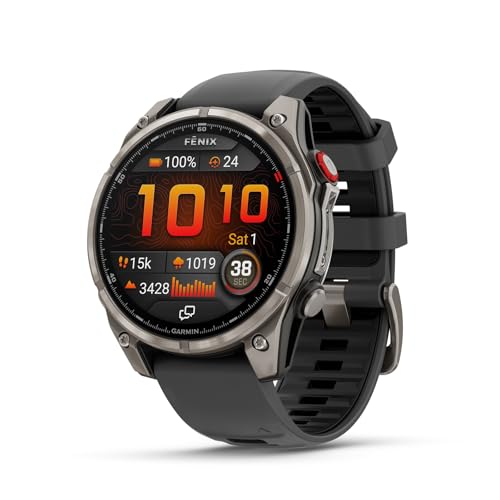
Garmin Fenix 8 Pro 47mm Sapphire
Best for Off-Phone Connectivity
Fenix 8 Pro is the specialized upgrade. The reason to buy it is not that it is simply “more premium”; it is that communication and safety away from your phone can materially change how you use the watch.
If those features do not solve a real problem for you, the standard Fenix 8 is easier to justify. If you are already paying close to current-generation pricing, compare Fenix 9 before buying.
Check Price on AmazonShould You Buy Fenix 8 or Fenix 8 Pro?
The Pro upgrade should be justified by connectivity, not status. If connectivity is not essential, spend the difference only if the exact configuration or deal still makes sense.
Is Sapphire Worth It?
Buy Sapphire if durability matters more than saving money. It is most useful for hiking, climbing, trail work, demanding outdoor use, and buyers who expect to keep the watch for years.
Choose standard glass when you are careful with watches, mostly run on roads, train in a gym, or already use a screen protector. Sapphire does not add training features or improve GPS accuracy.
Fenix 8 vs Fenix 9: Which Should You Buy?
For the direct decision, see Garmin Fenix 8 vs Fenix 9. For the current family, use the Garmin Fenix 9 Buying Guide.
Fenix 8 vs Fenix 7 Pro
Choose Fenix 8 when you want AMOLED options, speaker and microphone, voice features, dive functionality, and the newer Fenix 8 interface and hardware.
Choose Fenix 7 Pro Sapphire Solar only when the price is meaningfully lower and you mainly need maps, training metrics, flashlight, rugged tracking, and long battery life.
See the Garmin Fenix 7 Comparison if the older generation is still on your shortlist.
Who Should Skip Fenix 8?
If you are unsure whether Fenix is the right Garmin family, see Garmin Watch Models Explained or Best Garmin Watches.
Frequently Asked Questions
Which Garmin Fenix 8 is best?
The 47mm AMOLED Sapphire is the best Fenix 8 for most buyers because it balances comfort, display quality, durability, navigation, training features, and battery life.
Should I choose AMOLED or Solar?
Choose AMOLED for everyday smartwatch use, richer maps, and a more vivid interface. Choose Solar when maximum endurance and outdoor readability matter more.
Is the 51mm Fenix 8 too large?
It can be. The 51mm case is best for larger wrists and buyers who prioritize battery life over comfort during sleep and daily wear.
Is Fenix 8 Pro worth it?
It makes the most sense when off-phone communication, tracking, and safety features are central to how you use the watch. Otherwise, the standard Fenix 8 is usually easier to justify.
Is Fenix 7 Pro still worth buying?
Yes, when the price is meaningfully lower and you do not need the newer Fenix 8 features.
Should I buy Fenix 8 or Fenix 9?
Choose Fenix 9 when you want the current generation and the price difference is small. Choose Fenix 8 when the discount or configuration makes the previous generation a better fit for you.
Final Verdict
Buy the Garmin Fenix 8 47mm AMOLED Sapphire if you specifically want the Fenix 8 generation. It is the best-balanced model for most buyers.
Choose 43mm AMOLED for smaller wrists, 51mm Solar Sapphire for maximum endurance, and Fenix 8 Pro only when connected communication away from your phone is important enough to justify the extra cost.
If Fenix 8 and Fenix 9 are close in price, compare the generations before buying rather than assuming the older model is automatically the better value.
Products covered in this guide
- Garmin fēnix® 8 Pro, 47mm, Sapphire, Titanium, Graphite/Black | Premium Multisport Smartwatch, inReach® Technology, AMOLED Display, Built-In Flashlight, Dive-Rated, Built-In Speakers & Mic
- Garmin fēnix® 8 Pro, 47mm, Sapphire, Titanium, Graphite/Black | Premium Multisport Smartwatch, inReach® Technology, AMOLED Display, Built-In Flashlight, Dive-Rated, Built-In Speakers & Mic
- Garmin fēnix® 8, Sapphire, 47mm, DLC Titanium, Black/Pebble Gray | Premium Multisport Smartwatch, AMOLED Display, GPS, Built-In Flashlight, Dive-Rated, Built-In Speakers & Mic
- Garmin fēnix® 8, Sapphire, 47mm, DLC Titanium, Black/Pebble Gray | Premium Multisport Smartwatch, AMOLED Display, GPS, Built-In Flashlight, Dive-Rated, Built-In Speakers & Mic
- Garmin fēnix® 8, Sapphire, 47mm, DLC Titanium, Black/Pebble Gray | Premium Multisport Smartwatch, AMOLED Display, GPS, Built-In Flashlight, Dive-Rated, Built-In Speakers & Mic
- Garmin fēnix® 8, Sapphire, 47mm, DLC Titanium, Black/Pebble Gray | Premium Multisport Smartwatch, AMOLED Display, GPS, Built-In Flashlight, Dive-Rated, Built-In Speakers & Mic



Comments: 0