Wet Dry Vacuum vs Steam Cleaner at a Glance
| Cleaning Job |
Wet Dry Vacuum |
Steam Cleaner |
Better Choice |
| Crumbs + dust on hard floors |
Vacuum pickup and washing in one pass |
Most steam mops do not vacuum loose debris |
Wet dry vacuum |
| Liquid spills |
Designed to recover dirty liquid into a separate tank |
Not generally designed as a liquid pickup machine |
Wet dry vacuum |
| Muddy paw prints |
Very good for routine wet + dry pet mess |
Useful after loose debris is removed |
Wet dry vacuum |
| Sticky kitchen residue |
Good; heated premium models can improve performance |
Steam can be especially useful on stuck-on residue |
Depends on severity |
| Greasy film |
Solution-based washing can work well |
Heat is useful where steam is surface-safe |
Steam for targeted deep cleaning |
| Grout / small detailed surfaces |
Floor washer head is not designed for detailing |
Handheld or multipurpose steam tools can target grout |
Steam cleaner |
| Fast daily maintenance |
Excellent: pickup + wash together |
Often requires vacuuming/sweeping first |
Wet dry vacuum |
| Steam sanitization claim |
Not inherent to a normal wet dry vacuum |
Some steam models have manufacturer-tested sanitization protocols |
Steam cleaner, when used exactly as directed |
What a Wet Dry Vacuum Actually Does
A household wet dry floor washer—such as a Tineco FLOOR ONE, Dreame H-series, Roborock F25, or MOVA floor washer—is primarily a sealed-hard-floor cleaning system. It uses suction to pick up dry debris and dirty liquid while a powered roller applies water or cleaning solution to the floor.
Tineco, for example, explicitly says its FLOOR ONE can vacuum and wash simultaneously, so users do not need to vacuum the area first. Its current S9 Artist Pro guidance lists vinyl, tile, and sealed wood among supported non-carpeted floors.
The everyday advantage: when the kitchen floor has crumbs, a splash of water, paw prints, and light food residue at the same time, a floor washer is designed to deal with those mixed messes in one cleaning pass.
What a Steam Cleaner Actually Does
A steam cleaner heats water and applies steam to a compatible surface. A steam mop uses that heat across hard floors, while handheld and multipurpose steam cleaners can also target areas such as grout, fixtures, and other manufacturer-approved surfaces.
Steam's advantage is heat, not debris pickup. Traditional steam mops generally work best after loose debris has already been vacuumed or swept away. Some newer machines blur that line by adding powered pickup or vacuum-mop functionality.
For example, Shark's current Steam & Scrub S8201 uses rotating pads and targeted Steam Blaster cleaning. Shark also publishes a specific sanitization procedure and notes that controlled test conditions apply to its bacteria-removal claims.
Which Is Better for Everyday Hard-Floor Cleaning?
Wet dry vacuum. This is the category's strongest advantage. A floor washer combines tasks that otherwise happen separately: dry pickup, wet washing, and dirty-water recovery.
That makes it especially useful in kitchens, dining areas, entryways, and pet homes. If the floor is mostly sealed hardwood, tile, vinyl, or laminate and the mess changes from crumbs to paw prints to a small spill throughout the day, the wet dry format is usually easier to live with.
Start with Best Wet Dry Vacuums of 2026 if this sounds like your cleaning pattern.
Which Is Better for Sticky Messes and Grease?
This is where the answer becomes less absolute. A basic floor washer can remove sticky residue with water, solution, roller agitation, and suction. Premium floor washers increasingly add hotter wash cycles or heated self-cleaning systems.
A dedicated steam cleaner has a different strength: concentrated heat can loosen stuck-on grime without relying on a floor-cleaning detergent. That can be valuable in kitchens and on other steam-safe surfaces.
Heat is not automatically better for every floor. Always follow the flooring manufacturer's care instructions. Steam should not be used simply because a machine is capable of producing it.
Which Is Better for Pet Hair and Pet Messes?
For the combination of hair + kibble + paw prints + water + everyday pet residue, a wet dry vacuum is usually the more useful floor tool because it can collect debris while washing.
A steam cleaner can be helpful for heat-based deep cleaning on compatible surfaces, but it does not replace the pickup stage unless you choose a model that specifically combines steam with vacuuming or powered debris collection.
If pet mess is your main purchase driver, use Best Wet Dry Vacuums for Pet Hair & Pet Messes.
Which Is Better for Hardwood Floors?
Neither category should be treated as universally safe for all wood. The important distinction is whether the floor is sealed and what the flooring manufacturer permits.
Wet dry floor washers are commonly designed for sealed hard floors and actively recover dirty water after the roller passes. Tineco's S9 Artist Pro documentation, for example, specifies sealed wood among compatible non-carpeted floors.
Steam requires more caution because it adds heat as well as moisture. Shark's own Steam & Scrub guidance tells owners to review the floor manufacturer's instructions and warns against unsealed wood and wax-polished surfaces.
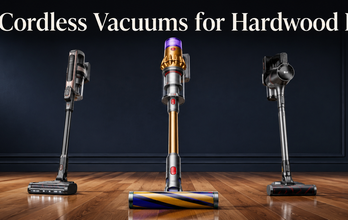
For a floor-washer-first decision, see Best Wet Dry Vacuums for Hardwood Floors.
Which Is Better for Grout and Detailed Cleaning?
Steam cleaner. A floor washer's wide roller is designed for floor coverage, not precision. A handheld or multipurpose steam cleaner can use smaller nozzles and brushes for areas such as grout lines, corners, and fixtures when the material is compatible with steam.
If this is your priority, the broader Steam Cleaner Buying Guide is the better category path than buying a wet dry vacuum.
Do Steam Cleaners Sanitize Floors?
Some manufacturers publish controlled-test sanitization claims for specific steam cleaners, but the result depends on following the required procedure. It is not enough to make one fast pass and assume that every steam machine has sanitized every surface.
Shark, for example, publishes sanitization instructions for its Steam & Scrub models and states that its test results were obtained under controlled conditions. Treat sanitization as a model-specific, protocol-specific claim, not a universal benefit of anything that produces steam.
What About Steam Vacuum Cleaners?
The categories increasingly overlap. Machines such as the Tineco FLOOR ONE S9 Artist Steam combine floor-washer pickup with high-temperature steam cleaning, while other premium floor washers use hot water rather than steam.
This can be the best answer when you regularly face both loose debris and difficult sticky residue and do not want to vacuum before steam cleaning. The trade-off is higher cost and a more complex machine to maintain.
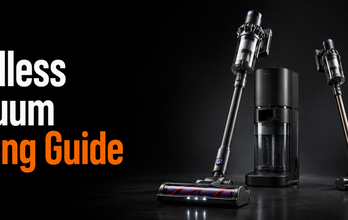
Our Best Steam Vacuum Cleaners guide is specifically for these crossover machines; it should not be confused with a conventional steam-mop buying guide.
Wet Dry Vacuum vs Steam Cleaner: Maintenance
| Ownership Task |
Wet Dry Vacuum |
Steam Cleaner |
| After each floor-cleaning session |
Empty dirty-water tank; rinse components/roller as directed |
Remove/wash pad as directed; empty or manage remaining water per manual |
| Self-cleaning systems |
Common on premium models, often with roller washing/drying |
Less central to traditional steam mops |
| Scale / mineral maintenance |
Depends on model and water system |
More important on machines that heat water; follow descaling/water guidance |
| Consumables |
Rollers, filters, approved solution depending on model |
Pads, brushes/accessories, and model-specific maintenance items |
| Main annoyance |
Dirty-water tank and roller must stay clean to prevent odor/streaks |
Loose debris usually needs separate pickup; mineral buildup can matter |
What This Means When Buying
Buy a wet dry vacuumYou want the fastest daily hard-floor routine and regularly clean mixed dry + wet messes.
Buy a steam cleanerYou already have a vacuum and mainly want heat for stuck-on residue, grout, or steam-safe deep cleaning.
Buy a steam-vacuum hybridYou want debris pickup and steam in one machine and are willing to pay more for the crossover capability.
Recommended Products That Show the Difference
If you’re choosing between these three approaches, these models are useful examples of each category.
Wet Dry Example
Tineco FLOOR ONE S9 Artist Pro
Why it belongs here: it demonstrates the normal premium floor-washer approach—vacuuming and washing sealed hard floors together, without turning steam into the primary cleaning method.
Best for: frequent daily cleaning, crumbs, hair, spills, paw prints, and buyers who value smooth handling and long runtime.
Check Current Price on Amazon
Steam Mop Example
Shark Steam & Scrub S8201
Why it belongs here: this is the opposite approach: steam plus rotating pads rather than vacuum pickup. Shark provides multiple steam modes, targeted Steam Blaster cleaning, and model-specific sanitization instructions.
Best for: buyers who already have a vacuum and want a dedicated steam tool for compatible hard floors and stuck-on residue.
Check Current Price on Amazon
Hybrid Example
Tineco FLOOR ONE S9 Artist Steam
Why it belongs here: it shows how the categories now overlap by combining wet dry floor-cleaning functions with high-temperature steam cleaning.
Best for: premium buyers who want one hard-floor machine for both routine mixed messes and more intensive steam cleaning.
Check Current Price on Amazon
As an Amazon Associate I earn from qualifying purchases. Prices and availability can change.
Which Should You Buy?
| If Your Home Mostly Has... |
Buy |
Why |
| Crumbs, spills, hair, paw prints, everyday kitchen mess |
Wet dry vacuum |
Combines pickup and floor washing in one routine. |
| Stuck-on stains and a separate vacuum already handles debris |
Steam cleaner |
Heat is the feature you are actually missing. |
| Lots of grout / targeted detail cleaning |
Multipurpose or handheld steam cleaner |
Small tools can reach areas a roller floor washer cannot. |
| Frequent mixed messes plus difficult sticky residue |
Steam-vacuum hybrid |
Combines pickup with a higher-temperature cleaning mode. |
| Mostly carpet, rugs, stairs, sofas |
Neither as your primary vacuum |
These are hard-floor/surface-cleaning tools, not replacements for a normal vacuum in carpet-heavy homes. |
FAQ
Is a wet dry vacuum better than a steam mop?
For everyday sealed-hard-floor cleaning, usually yes because it can pick up dry debris and wash the floor in one pass. A steam mop is better when the missing capability is heat-based cleaning rather than debris pickup.
Can a steam cleaner vacuum up crumbs?
A conventional steam mop does not. Some newer steam-vacuum hybrids add pickup, so check the exact product type rather than assuming every steam cleaner vacuums.
Do you need to vacuum before using a wet dry floor washer?
Not necessarily. Tineco, for example, says its FLOOR ONE systems can vacuum and wash simultaneously. Very large debris should still be handled according to the model's instructions.
Do you need to vacuum before steam mopping?
With a traditional steam mop, removing loose debris first generally produces a better result. Hybrid machines that explicitly include debris pickup are different.
Is steam safe for hardwood floors?
Do not assume so. Follow the flooring manufacturer's instructions and the steam-cleaner manual. Shark, for example, warns against unsealed wood and wax-polished floors and recommends testing compatible surfaces.
What is the difference between hot-water floor washing and steam?
Hot-water wet dry vacuums use heated water as part of the floor-washing process while still recovering dirty liquid. Steam cleaners generate steam as the main heat-based cleaning method. The terms should not be treated as interchangeable.
Bottom Line
For most households choosing one machine for routine sealed-hard-floor cleaning, the wet dry vacuum is the more versatile purchase. It solves more everyday mess types in one pass because it combines pickup with washing.
Choose a steam cleaner instead when you already have debris pickup covered and specifically want heat for stuck-on grime or detailed steam-safe cleaning. If you need both roles frequently, compare the newer steam-vacuum hybrids before buying two separate machines.




Comments: 0